Lake Custom Homes
Built to Last Where Water and Weather Matter
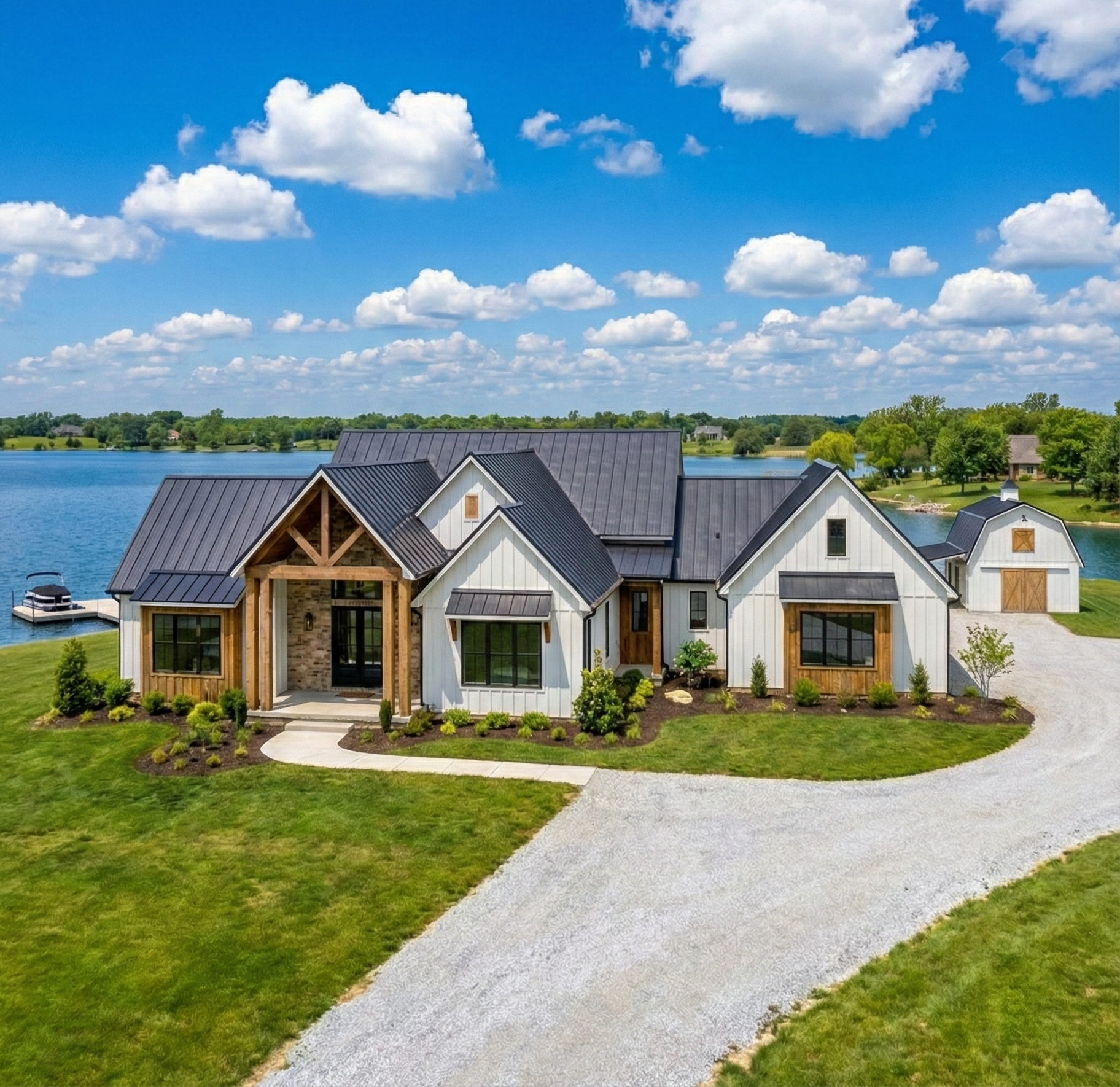
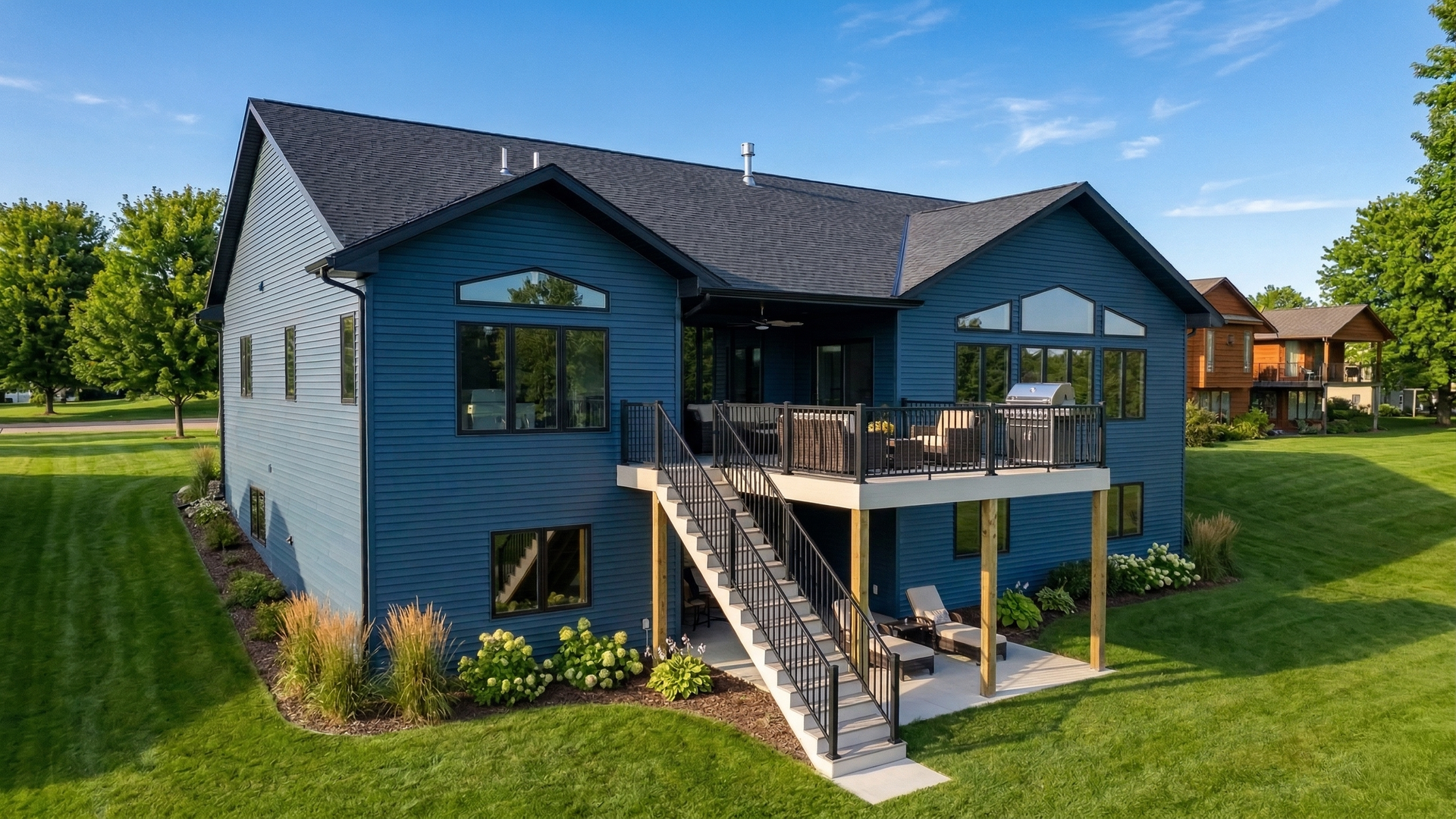
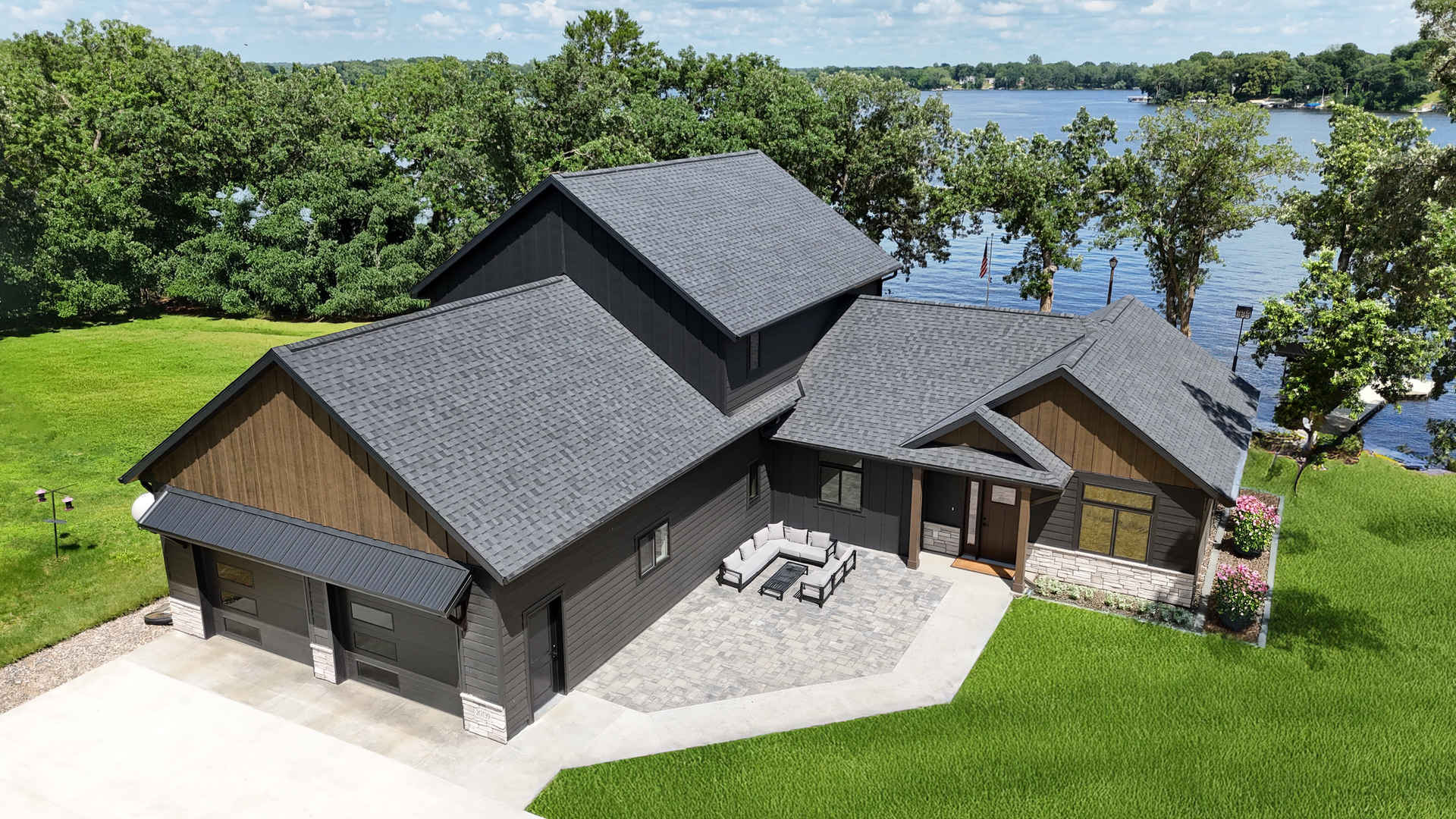
Lake Custom Homes in Richmond for properties near water where moisture management and seasonal use define the design
Smart'n Construction, LLC builds custom lake homes in Richmond for clients who own waterfront or near-water lots and need construction methods that account for high humidity, frost heave, seasonal occupancy, and exposure to wind and precipitation. You may be planning a year-round residence that must perform in winter conditions, or you're building a seasonal retreat that needs to be closed up and reopened without damage. Lake home construction involves foundation systems that adapt to soil and water table conditions, framing and insulation that resist moisture infiltration, and exterior materials that hold up to sun, wind, and freeze-thaw cycles.
The process begins with site assessment and foundation design, often involving piers or frost-protected shallow footings to prevent movement caused by saturated soils or freeze lines near the water. Floor plans are designed to take advantage of views while managing solar gain, cross-ventilation, and access to outdoor spaces. Mechanical systems are planned with attention to humidity control, freeze protection, and zoning that allows for partial heating during off-season months.
If you're ready to discuss lake home construction and site-specific challenges in Richmond, contact Smart'n Construction, LLC to begin planning your build.
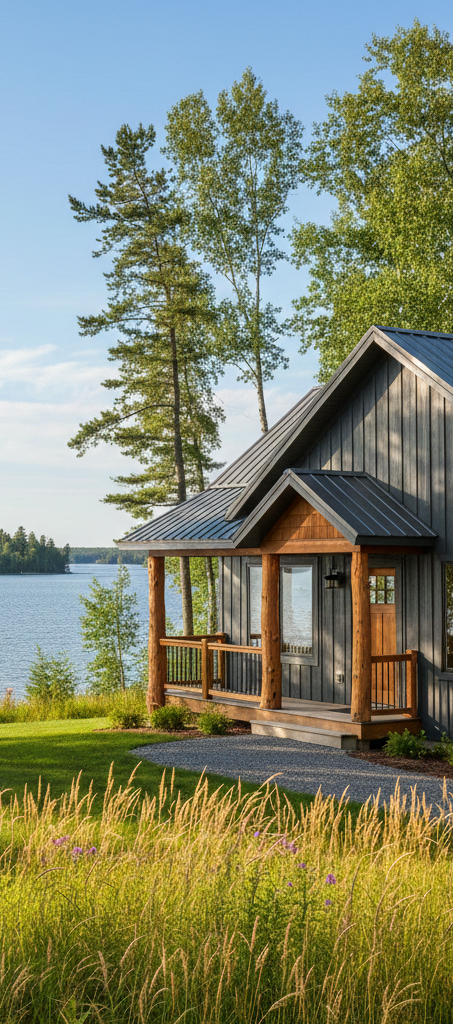
How Construction Adapts to Waterfront Conditions
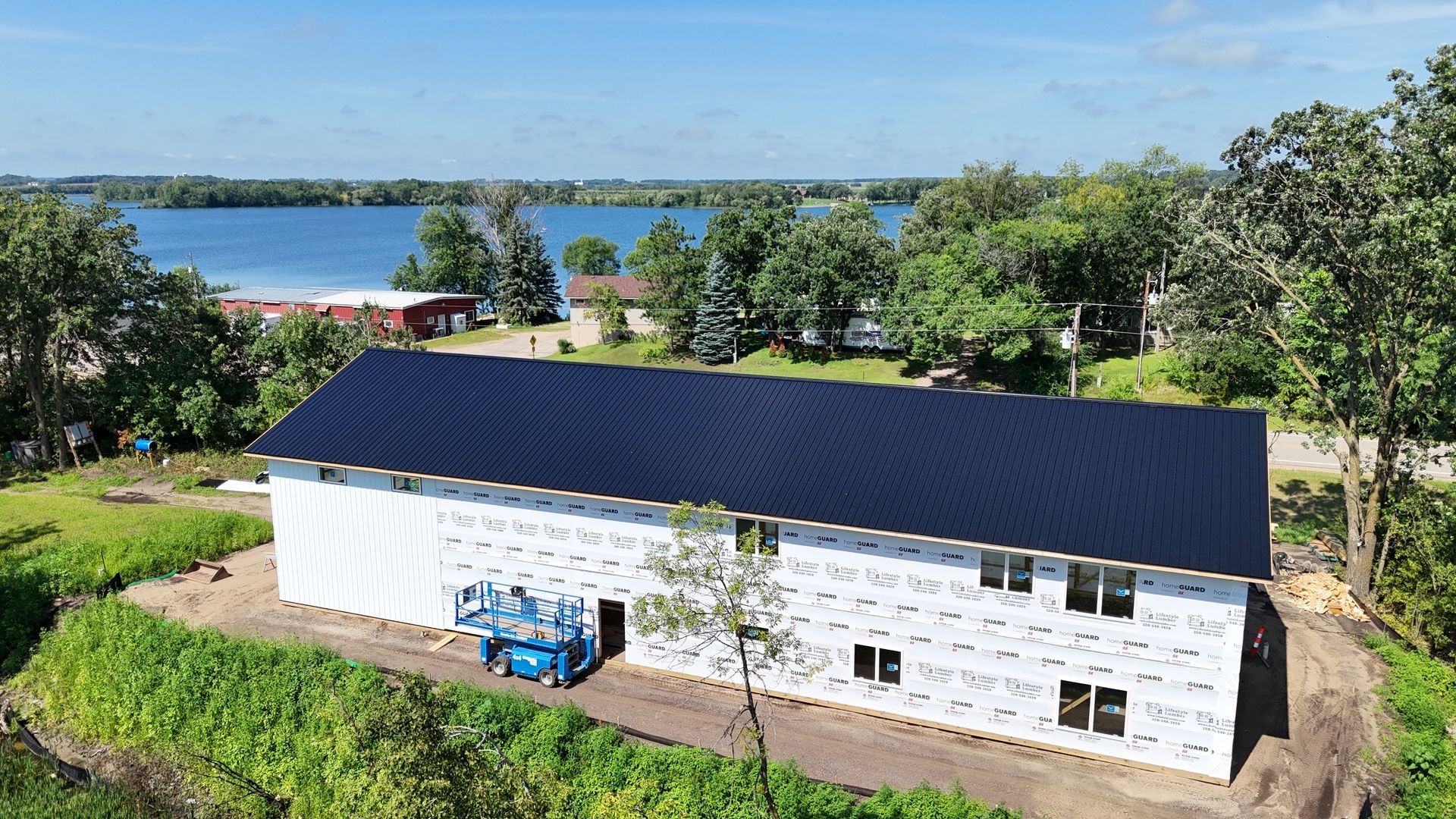
You work with Smart'n Construction, LLC to evaluate your lot, identify setback and zoning requirements, and design a floor plan that suits your intended use. The foundation is built with methods that account for high water tables, seasonal flooding, or unstable soils, and drainage systems are installed to move water away from the structure. Framing includes pressure-treated sill plates, moisture-resistant sheathing, and ventilation pathways that prevent condensation buildup in walls and roof assemblies.
Once the shell is closed in, you'll see spray foam or batt insulation installed with vapor barriers positioned to match your climate zone, and windows and doors selected for their resistance to condensation and wind-driven rain. Siding materials such as fiber cement or engineered wood are installed with proper flashing and drainage planes, and roofing is applied with ice-and-water shield at eaves and valleys. Interior finishes are chosen with attention to humidity tolerance, and plumbing is designed with shut-off valves and drain-down features if the home will be vacant during freezing months.
Lake homes are subject to the same building codes as other residential construction, with additional attention to shoreland zoning, septic system placement, and stormwater management. Inspections occur throughout the build, and timelines vary based on site access, weather, and the complexity of foundation and mechanical systems. Lake home construction does not include dock installation, shoreline restoration, or watercraft storage structures; those projects are handled separately.
What You Should Know About Building Near Water
These questions come up often when clients in Richmond begin planning a custom lake home.
What foundation types work best on waterfront lots?
Pier foundations, helical piles, or frost-protected shallow footings are common choices, depending on soil conditions, water table depth, and frost line requirements in Richmond.
How is moisture controlled in a lake home?
Vapor barriers, ventilated roof assemblies, and dehumidification systems are used to manage high humidity levels, and flashing details are carefully executed around windows, doors, and roof penetrations.
When should plumbing be winterized?
If the home will be unoccupied during freezing months, plumbing lines are designed with drain points and shut-off valves that allow you to empty the system and prevent pipe bursts.
Why do lake homes require special attention to drainage?
Saturated soils, seasonal runoff, and proximity to the water table make it critical to install foundation drains, gutters, and grading that direct water away from the structure.
What siding materials hold up best in humid, sun-exposed locations?
Fiber cement, engineered wood with factory finishes, and metal panels resist warping, fading, and rot better than standard wood siding in high-moisture environments.
When you're ready to move forward with a lake home designed for your site and your seasonal plans, reach out to Smart'n Construction, LLC to discuss your lot and start the design process.